Home Our Mission Events About The Museum Donate
Our People

Who We Are

A Consortium of Experts

MHR is a consortium of historians, legal scholars, museum professionals, architects, technologists, cultural custodians, and community leaders. We operate at the intersection of scholarship, community leadership, and public engagement.

Oral History Documentation

Conducting rigorous field research across northern Ghana and southern Burkina Faso to capture and preserve community memories before they are lost.

Academic Research

Producing scholarship on slavery, colonialism, reparations, public memory, and African diaspora studies in partnership with global institutions.

Curriculum Development

Developing educational programming for schools and universities that centre African interior perspectives in global narratives of the slave trade.

The Vision Behind the Museum
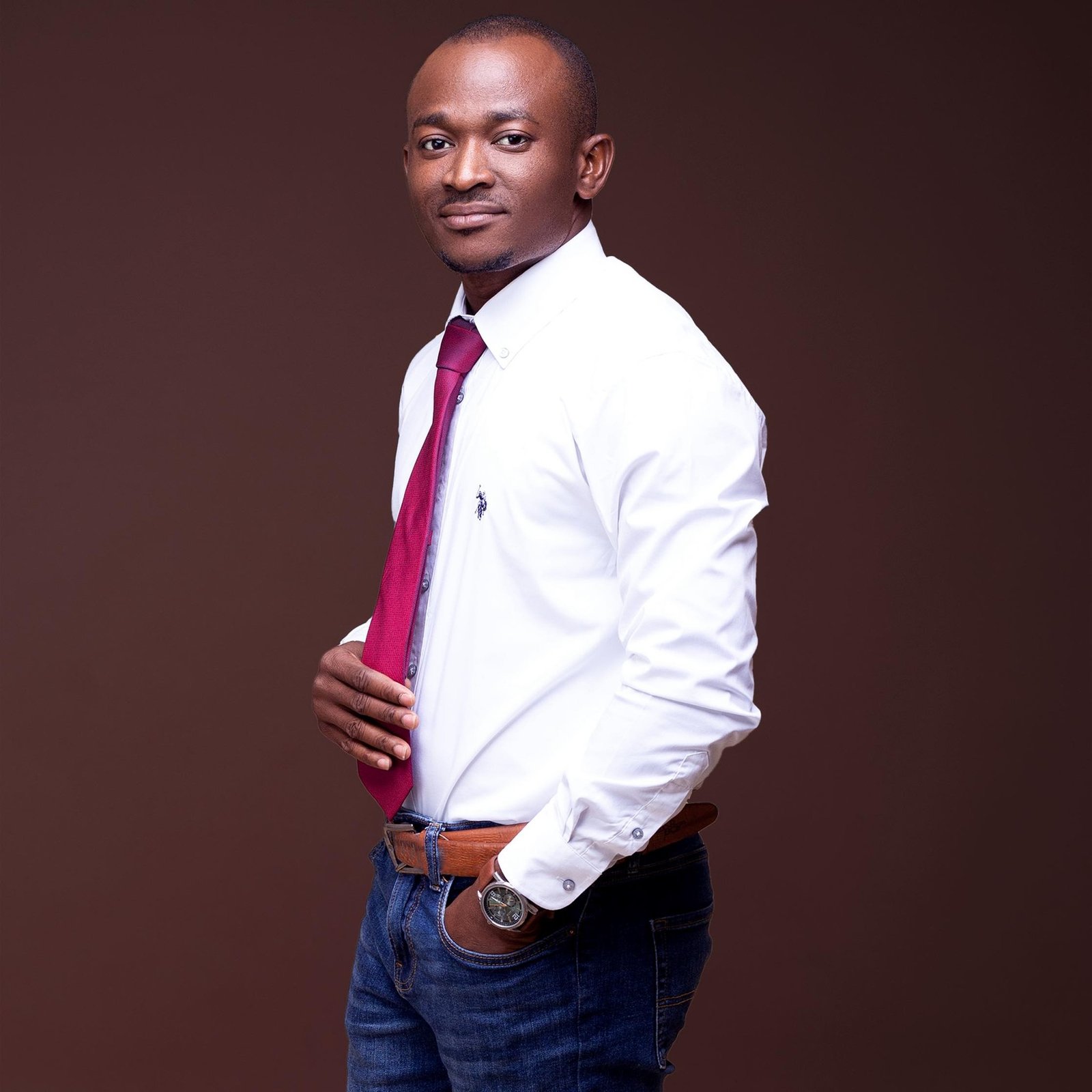
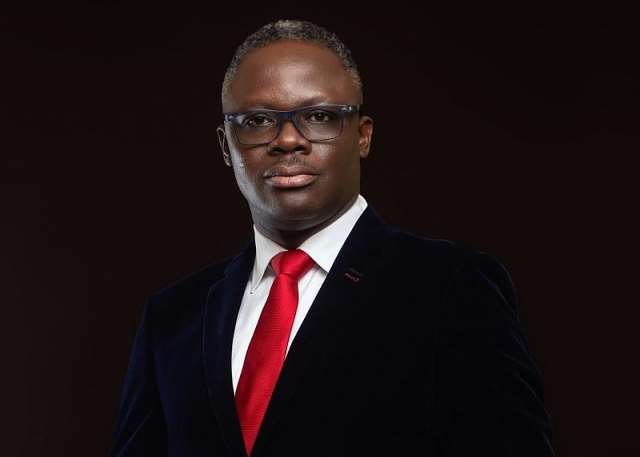
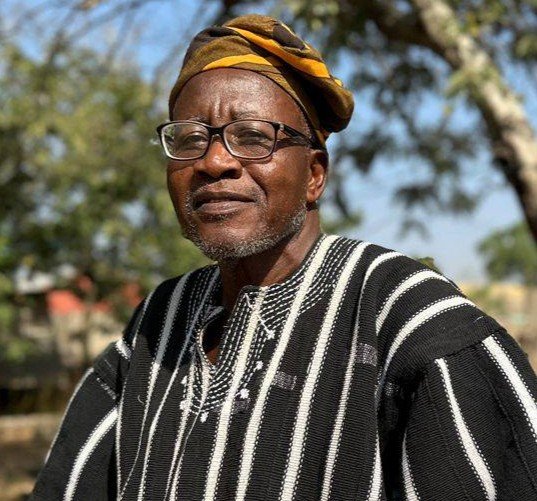
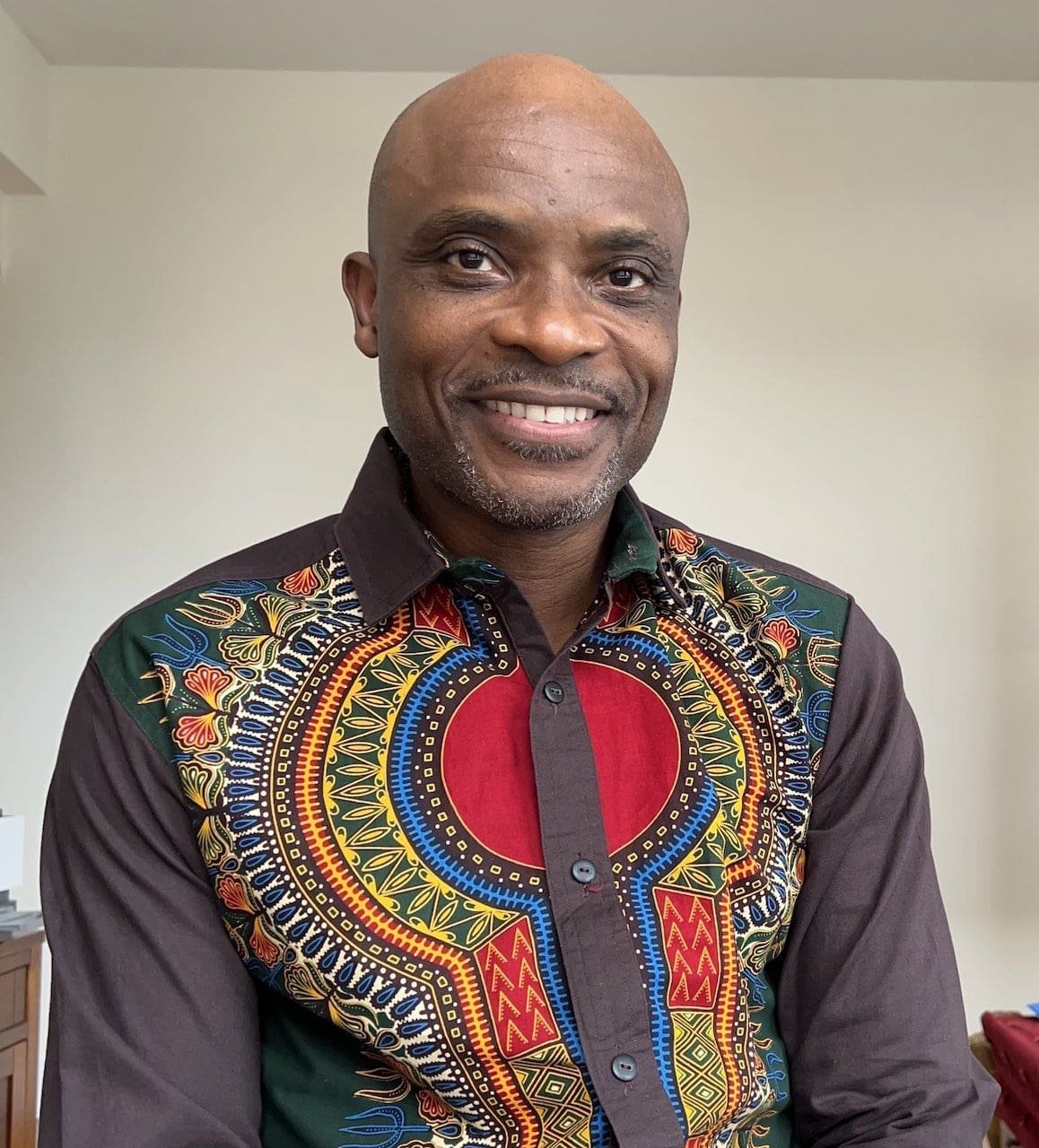
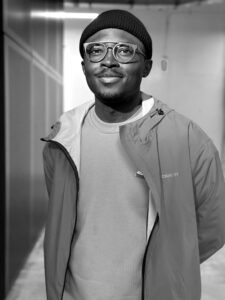
Emmanuel John Agangzesum Awine
Founder & Executive Director

Emmanuel John
Agangzesum Awine

PhD Candidate in History, Johns Hopkins University

Emmanuel J. A. Awine is a historian, public interest scholar, and advocate from the Upper East Region of Ghana. His work begins where most histories of slavery end — not at the coast, but inland, in the communities that were raided, silenced, and left out of the record.

A PhD candidate in History at Johns Hopkins University, his research examines the intertwined histories of slavery, the slave trade, and colonialism in West Africa, with a particular focus on northern Ghana and southern Burkina Faso.

The Research

Awine's fieldwork along the Voltaic frontier has produced something rare: direct access to living memory. Through sustained oral interviews and community engagement in raided communities across northern Ghana and southern Burkina Faso, he has documented a landscape of memory that is at once deeply present and deliberately concealed. Many of the individuals he has worked with are direct victims and descendants of slave raiding — people who carry this history in their bodies and their social relations, and who have chosen silence not out of forgetting, but as an act of protection. Silence, in these communities, is a shield: against stigma, against the reopening of old fractures, against the exposure of identities still freighted with historical violence.

But Awine's research does not stop at silence. It also uncovers what has been buried beneath it: an archive of resistance. Stories of collective defense. Tactical ingenuity. Communities that fought back against slave raiders and expansionist states — and won. These histories of agency and survival exist in living oral tradition, yet they have been systematically excluded from the scholarly record, which has long centered on victimry over resilience and the Atlantic coast over the interior. Awine's work is a direct intervention in that imbalance. He argues that the inland histories of the slave trade — the sites of capture, not just departure — are indispensable to any honest account of what the Atlantic slave trade and domestic slavery were, what they did, and what they left behind.

The Museum

It was not a theory that gave rise to the Museum of Healing and Reconciliation. It was a conversation — and then many conversations. Beginning in mid-2025, Awine returned to the communities where he had conducted his research, this time not only as a scholar but as a listener with a proposition. He shared the concept of a museum. He asked what acknowledgment would mean to people who had protected their histories through silence. He asked what recognition would feel like to communities whose victories had never been recorded. The response was clear: there was a need that existing institutions were not meeting, and a willingness to meet it together.

The Museum of Healing and Reconciliation is the result of those consultations. It is a community-centered institution designed to document the histories of inland slave raiding, preserve oral traditions, and create an ethically grounded platform for dialogue — between affected communities and the global African diaspora, between historical scholarship and living memory, between the past and its long, unfinished aftermath. The museum does not seek simply to exhibit history. It seeks to do something more demanding: to create the conditions for acknowledgment, reparative reflection, and the kind of recognition that communities have long deserved but rarely received.

The project is closely aligned with Awine's doctoral research, including his scholarly interest in the politics of naming, memory, and identity formation in the wake of slavery. Both the dissertation and the museum challenge the familiar binaries of victim and perpetrator, complicity and resistance, and insist instead on the layered, contested, deeply human experiences of communities still living in the long shadow of historical violence.
Our Patrons

The Museum of Healing and Reconciliation is honoured to count among its patrons distinguished leaders whose lives and work embody the values of memory, scholarship, and African excellence.

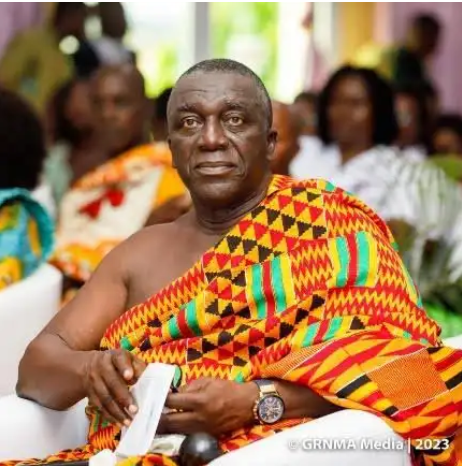
Nana Kobina Nketsia V
Patron
Traditional Leadership & Pan-African Thought

Nana Kobina Nketsia V

Omanhene of Essikado; Paramount Chief, Scholar & Cultural Statesman — Ghana

Nana Kobina Nketsia V is a paramount chief, scholar, and cultural statesman of Ghana, widely recognised for his leadership in traditional governance and his intellectual contributions to African history and identity. As Omanhene of Essikado and an academic, he has been a prominent voice in advancing Pan-African thought, cultural preservation, and historical education. His work bridges tradition and modernity, emphasising the role of African institutions, memory, and leadership in shaping pathways for development, reconciliation, and global engagement.

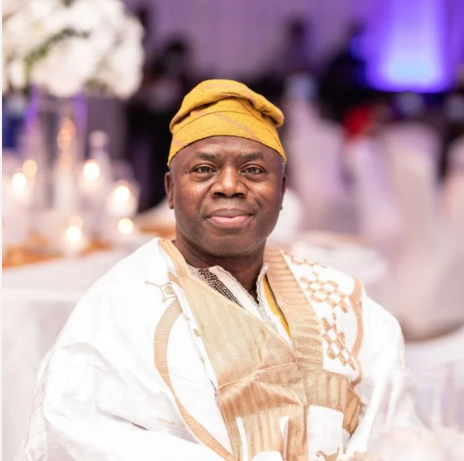
Chief Alhassan Andani
Patron
Finance & Business Leadership

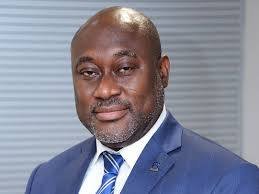
Chief Alhassan Andani

Founder & Executive Chairman, LVSafrica Limited; Former CEO, Stanbic Bank Ghana

A Ghanaian economist and the grandson of Naa Andani, who ruled Dagbon during the colonial era, Chief Alhassan Andani is one of Africa's most respected business leaders with more than two decades of executive experience in banking, finance, and strategic leadership. He is the Founder and Executive Chairman of LVSafrica Limited and served as Chief Executive Officer of Stanbic Bank Ghana for 14 years. Prior to that, he was Deputy Managing Director and Executive Director at Barclays Bank Ghana. He serves on the boards of Goldfields Group South Africa, Goldfields Abosso Ghana Ltd, Goldfields Tarkwa Ghana Ltd, Madina Institute of Science & Technology, and Accra Hearts of Oak Football Club. He also chairs the CEO Advisory on SDGs to the President of Ghana.

Board of Advisors

MHR is guided by a multidisciplinary Board of Advisors bringing expertise in history, law, education, design, finance, and community leadership from across Ghana and the world.

🇬🇭  Ghana
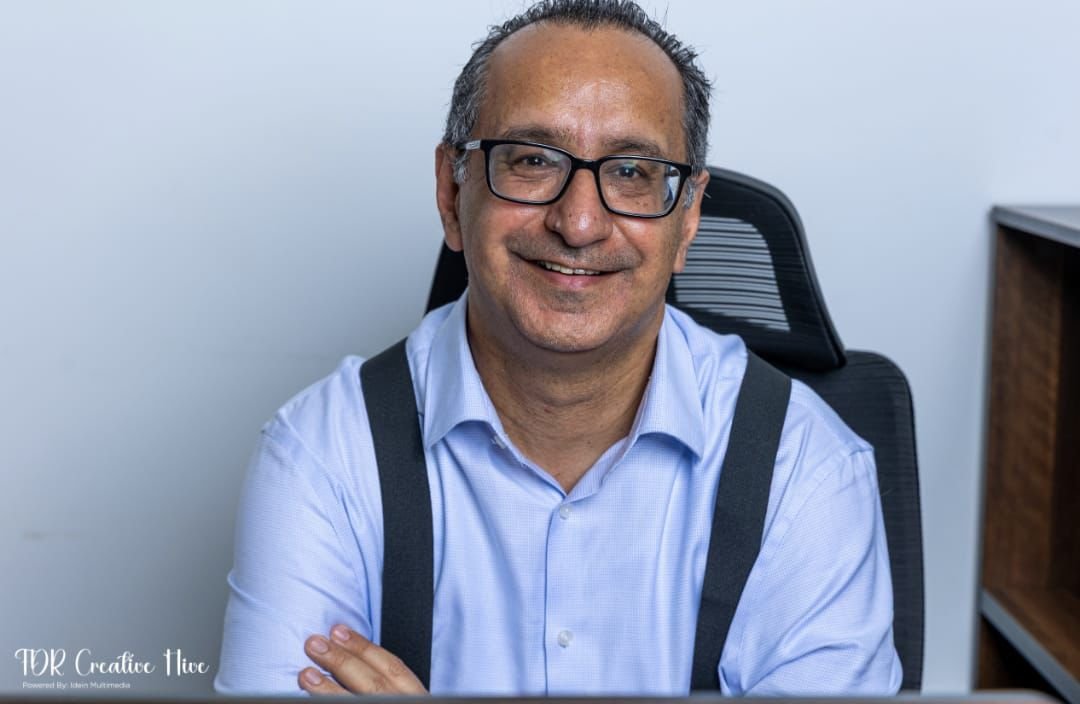
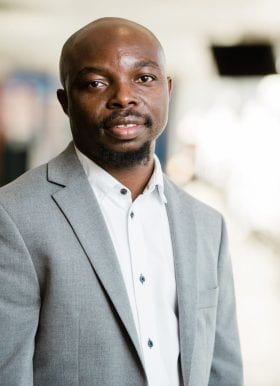
Samson Lardy Anyenini
Law & Journalism
Samson Lardy Anyenini
Legal Practitioner & Broadcast Journalist — Multimedia Group Limited, Ghana

Ghana Journalist of the Year 2019, Samson Anyenini holds an LL.M. in Alternative Dispute Resolution and is an Associate of the Chartered Institute of Arbitrators, with a practice focused on International Commercial and Investment Arbitration. Crowned the 25th P.V. Ansah Journalist of the Year 2019 at the Ghana Journalists Association Media Awards, Samson Anyenini is a legal practitioner and broadcast journalist with Multimedia Group Limited. He holds a Master of Laws in Alternative Dispute Resolution, with a practice focused on International Commercial and Investment Arbitration. An Associate of the Chartered Institute of Arbitrators, he has consulted for and delivered papers to the Judicial Service of Ghana, Ghana Integrity Initiative, the Ghana Anti-Corruption Coalition, and the Ghana Centre for Democratic Development. He serves on the Board of the International Lawyers Assisting Workers (ILAW) Network.

Professor Gordon Akanzuwine Awandare
Science & Higher Education
Prof. Gordon Akanzuwine Awandare
Pro-Vice-Chancellor, Academic & Student Affairs — University of Ghana; Visiting Professor, Oxford Brookes University

An accomplished parasitologist and Fellow of the Ghana Academy of Arts and Sciences, Professor Awandare founded WACCBIP at the University of Ghana and chairs the World Bank–supported West African Network of Infectious Disease ACEs (WANIDA). Professor Awandare is an accomplished parasitologist who founded and directed the University of Ghana's West African Centre for Cell Biology of Infectious Pathogens (WACCBIP) and is a Professor in the Department of Biochemistry, Cell and Molecular Biology. He concurrently serves as a Visiting Professor at Oxford Brookes University, UK. A Fellow of the Ghana Academy of Arts and Sciences and the Royal Society of Biology, he was appointed the first Global Editor for Africa for the journal Experimental Biology and Medicine. He actively shapes regional health research policy as Chairman of the West African Network of Infectious Disease ACEs (WANIDA), a collaborative network supported by the World Bank and the French government.

Professor Ephraim Avea Nsoh
Academia & Public Service
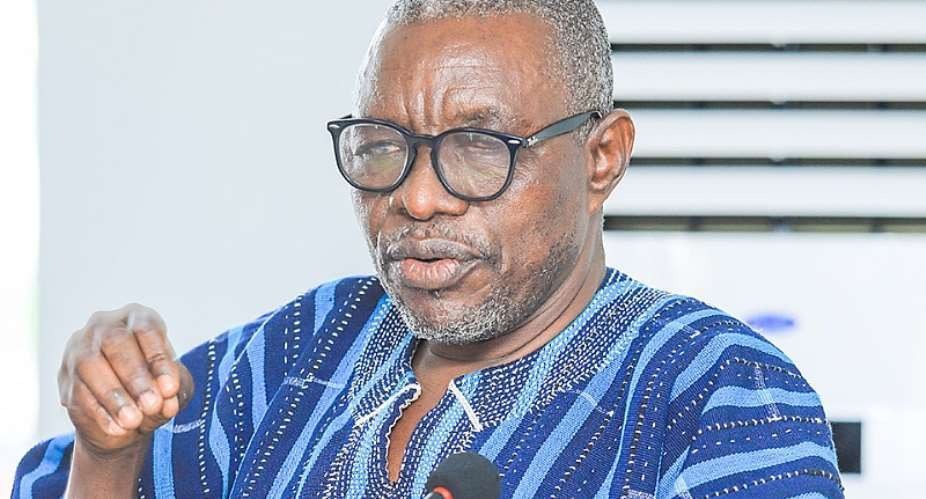
Prof. Ephraim Avea Nsoh
Professor, University of Education Winneba; Former Upper East & Upper West Regional Minister — Ghana

A Ghanaian academic and public servant, Professor Nsoh has served as both Upper East and Upper West Regional Minister of Ghana, and holds a professorial appointment in the Department of Gur-Gonja Languages Education at the University of Education, Winneba. A Ghanaian academic and public servant with extensive experience in both higher education and government, Professor Nsoh has served as Upper East Regional Minister and, prior to that, as Upper West Regional Minister, contributing significantly to regional administration and development. He holds a professorial appointment in the Department of Gur-Gonja Languages Education within the Faculty of Ghanaian Languages Education at the College of Languages Education, University of Education, Winneba (Ajumako campus), where he also served as Principal. Committed to applying scholarship to societal development, he is a co-founder of TEERE, an NGO based in the Upper East Region working to advance community development and social empowerment.

Joseph Weguri
Water, Sanitation & Community Development
Joseph Weguri
President, CEO & Founder, Sap and Sap Consultant — Navrongo, Ghana

A native of Navrongo and a royal of the Navrongo chief's palace, Joseph Weguri brings over 30 years of professional experience in the water and sanitation sector, with deep expertise in institutional development and community-based initiatives. A native of Navrongo and a royal of the Navrongo chief's palace, Joseph Weguri is the President, CEO, Owner, and Founder of Sap and Sap Consultant. He brings over 30 years of professional experience in the water and sanitation sector and holds a Master of Arts degree in Organizational Development from the University of Cape Coast. He has extensive expertise in institutional development, project management, and community-based water and sanitation initiatives, and brings to MHR an invaluable depth of local knowledge and community standing rooted in the very region the museum seeks to honour.

Benjamin Achelisewine Anyanah
Social Advocacy & Private Enterprise
Benjamin Achelisewine Anyanah
CEO, B.C. Bencyn Ltd; Private Enterprise Advocate for Peace & Development — Ghana

A Ghanaian social advocate and business leader, Benjamin Anyanah's work sits at the intersection of entrepreneurship, community development, and social impact — with a focus on youth opportunity and local economic strengthening in northern Ghana. A Ghanaian social advocate and business leader serving as CEO of B.C. Bency Ltd, Benjamin Anyanah's work sits at the intersection of entrepreneurship, community development, and social impact. He is focused on creating opportunities for youth and strengthening local economies in northern Ghana, and is actively engaged in initiatives that connect heritage, development, and community empowerment. He brings a practical perspective to conversations on diaspora engagement, investment, and sustainable growth. In addition, he is a private enterprise advocate who advances the role of business as a tool for peace in development.

🇺🇸  United States
Dr. Edward C. Bush
Higher Education
Dr. Edward C. Bush
President, Cosumnes River College — Sacramento, CA

An innovative leader with 25 years in higher education, Dr. Bush has reimagined traditional institutional practices, improving student outcomes and reducing achievement gaps for historically marginalized populations. An innovative leader with 25 years in higher education — including 23 years in the California Community Colleges System — Dr. Bush has reimagined traditional institutional practices. His approach, including the implementation of guided pathways, has improved student outcomes while reducing achievement gaps for students of color and other historically marginalized populations. He holds a Ph.D. in Urban Educational Leadership from Claremont Graduate University, an M.A. in Public Administration from California State University San Bernardino, and a B.A. in Political Science from the University of California, Riverside.

Professor Didier Gondola
History & African Studies
Prof. Didier Gondola
Professor of History, Johns Hopkins University

A scholar of popular cultures, masculinities, and the African diaspora, Professor Gondola earned his Ph.D. from Université Paris VII and is a recipient of the Ali Mazrui Senior Fellowship in Global African Studies. A scholar of popular cultures, masculinities, and the African diaspora, Professor Gondola earned his Ph.D. from Université Paris VII, France. His research engages with youth cultures, interstitial groups, and postcolonial identities, with a specific focus on the 20th century and the socio-cultural impacts of Chinese commodities in urban Africa. A recipient of the Ali Mazrui Senior Fellowship in Global African Studies at The Africa Institute (GSU), he is currently developing work on gender ventriloquism in Congolese rumba lyrics, the objects of China–Africa exchange, and public transportation, sociality, and religious discourse in Kinshasa.

Prof. Jeanne-Marie Jackson
Comparative Literature & Philosophy
Prof. Jeanne-Marie Jackson
Professor & Director, Alexander Grass Humanities Institute — Johns Hopkins University

A 2021 Andrew Carnegie Fellow, Professor Jackson earned her Ph.D. from Yale University and explores comparative method and liberal thought through the lens of African literature and intellectual history. A 2021 Andrew Carnegie Fellow, Professor Jackson earned her Ph.D. in Comparative Literature from Yale University in 2012. Her scholarship explores comparative method, philosophy, and liberal thought through the lens of African literature and intellectual history. She is the author of three books, including The African Novel of Ideas: Philosophy and Individualism in the Age of Global Writing (Princeton, 2021), which received Honorable Mention for the African Literature Association's Book of the Year Prize. Her forthcoming work, The Letter of the Law in J.E. Casely Hayford's West Africa (Princeton, 2026), examines how legal thought shaped textual culture among early-twentieth-century Gold Coast intellectuals.

Professor Madina Thiam
African History & Gender Studies
Prof. Madina Thiam
Fannie Gaston-Johansson Assistant Professor of Africana Studies & History — Johns Hopkins University

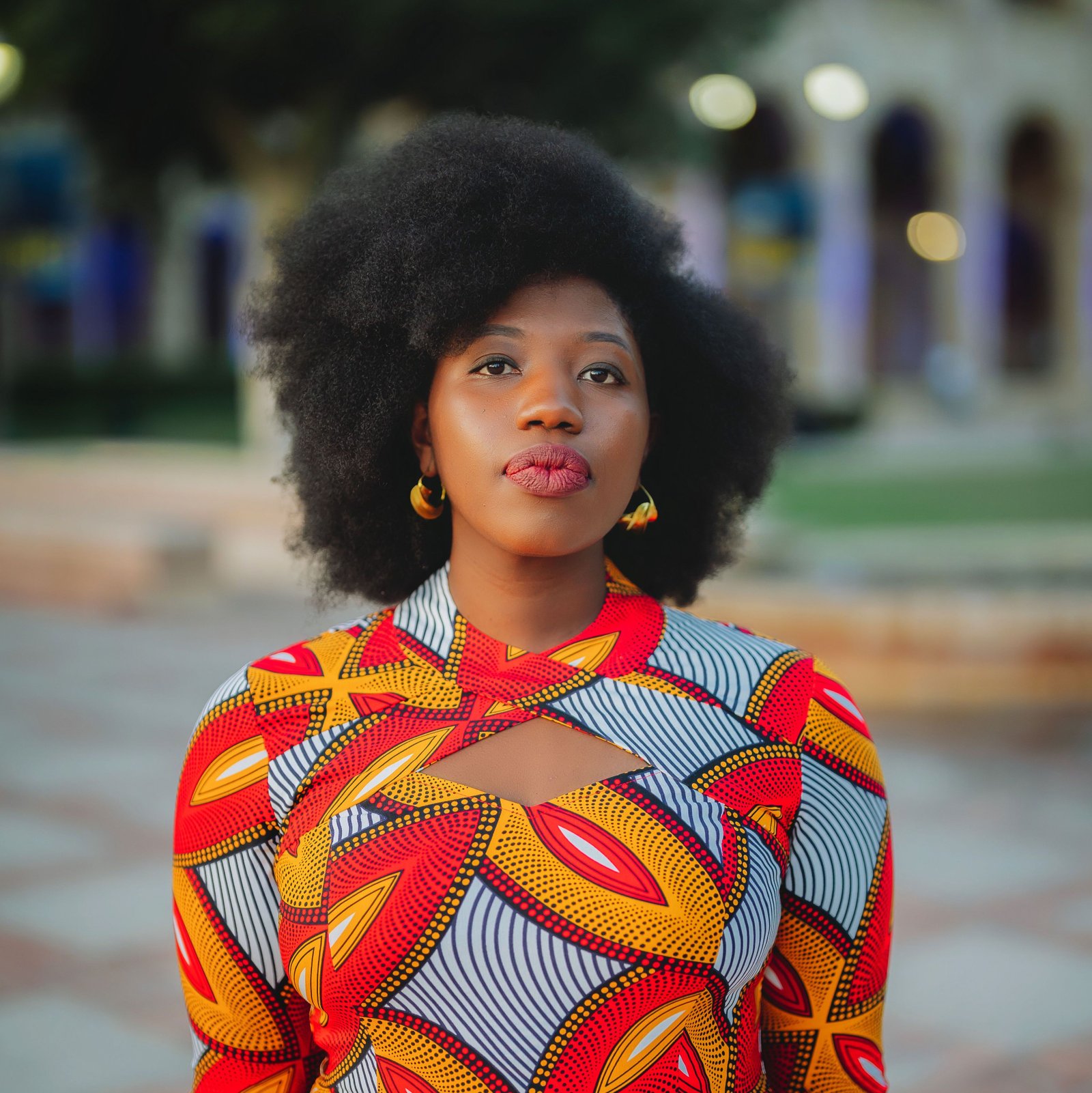
A historian of slavery, revolution, and empire in the modern Sahel, Professor Thiam earned her Ph.D. from UCLA and was a 2024 scholar-in-residence at the Schomburg Center for Research in Black Culture. She serves on the editorial board of the Journal of West African History. Professor Thiam is currently completing Navel of the World, a book that offers a new history of slavery, revolution, and empire from the vantage point of African Muslims. Set in the Sahel — where the Atlantic Ocean and the Sahara Desert intersect — the book traces a microhistory of social and economic change from the 1790s through 1960, foregrounding intimate and family relationships, transregional mobility, and the lives of Sahelian women. She received her Ph.D. in African History from the University of California, Los Angeles in 2022. In 2024, she was a scholar-in-residence at the Schomburg Center for Research in Black Culture, and from 2022 to 2025 she served as the James Weldon Johnson Assistant Professor of History at New York University. She serves on the editorial board of the Journal of West African History and is a co-director of the Projet Archives des Femmes.

Dr. Eric Kyere
Social Work & Race Studies
Dr. Eric Kyere
Ph.D. — IU Indianapolis Translational Scholar

Dr. Kyere's research examines racism and its mechanisms in restricting access to psychosocial and educational opportunities for people of African descent, drawing on the history of the Transatlantic Slave Trade to engage communities in interrupting its continuing effects. Dr. Kyere focuses his research on working with communities to theorize racism and identify the underlying mechanisms by which it restricts access to psychosocial, educational, and societal opportunities for people of African descent. He employs the history of the Transatlantic Slave Trade and Colonialism to engage communities and educators in interrogating and interrupting its continuing effects, particularly in the U.S. and Africa. His expertise spans racial disparities in education and well-being, racial-ethnic socialization, racial identity, parenting, equitable school climate, program evaluation, international social work, and human trafficking.

Jude Agboada
Design & Visual Communication
Jude Agboada
Visual Communication Designer & Educator; Team Member, Tampered Press — Ghana

A designer and educator whose practice investigates how community, identity, and culture are shaped through multidisciplinary approaches — from artist books to public space activations — with a focus on language documentation and colonial architectural legacies. A visual communication designer and educator, Jude Agboada uses dialogue to foster meaningful conversations across disciplines. His practice investigates how community, identity, and culture are shaped through approaches ranging from artist books to public space activations, and he is dedicated to developing new ways of creating connection by examining how people relate to one another, to the spaces they inhabit, and to the communicative strategies that enable those relationships. His current research focuses on language documentation and the architectural legacies of former colonial states. He contributes as a team member at Tampered Press, a publication committed to amplifying the voices of writers and visual artists in Ghana, across Africa, and throughout the diaspora.

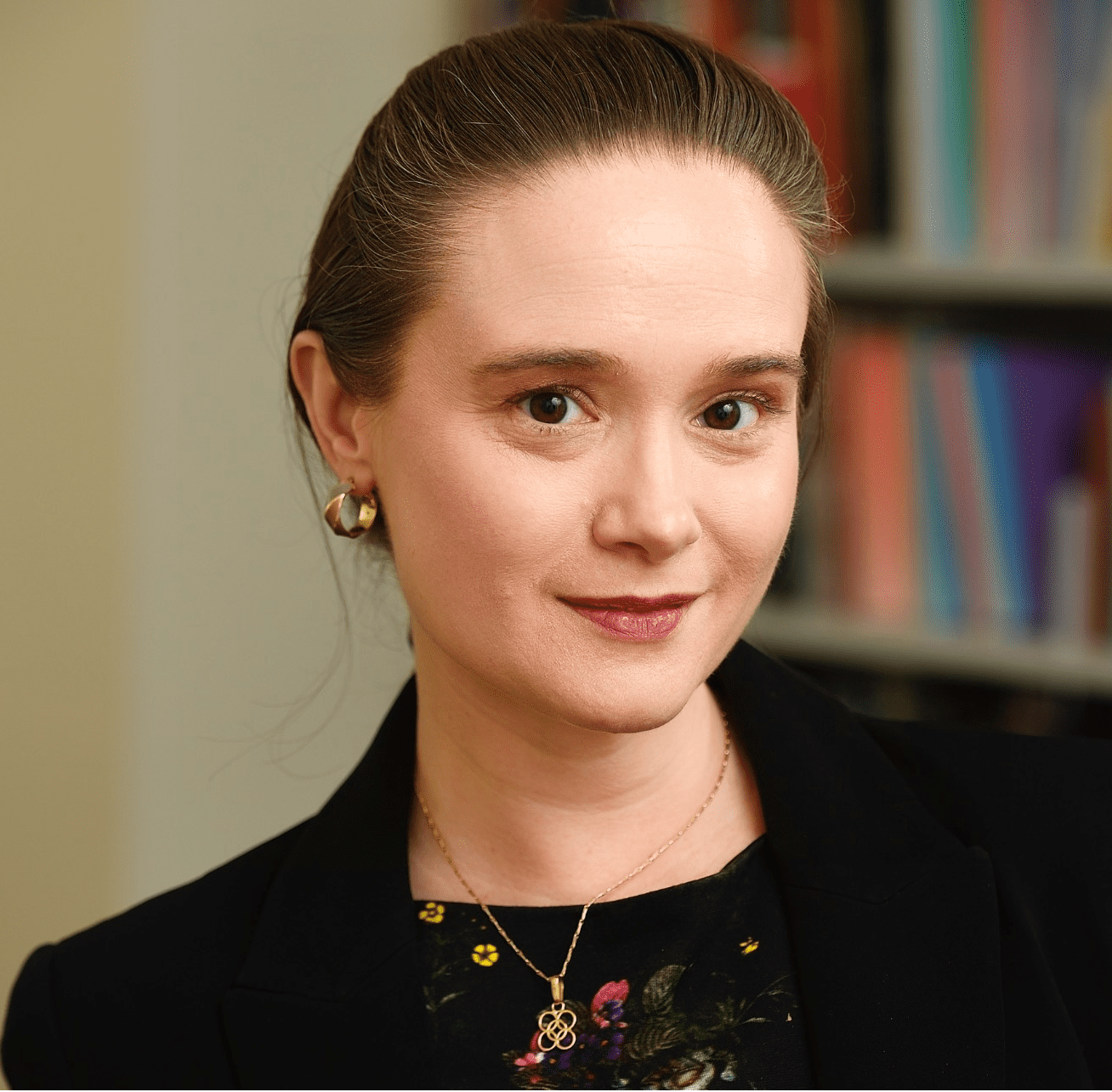
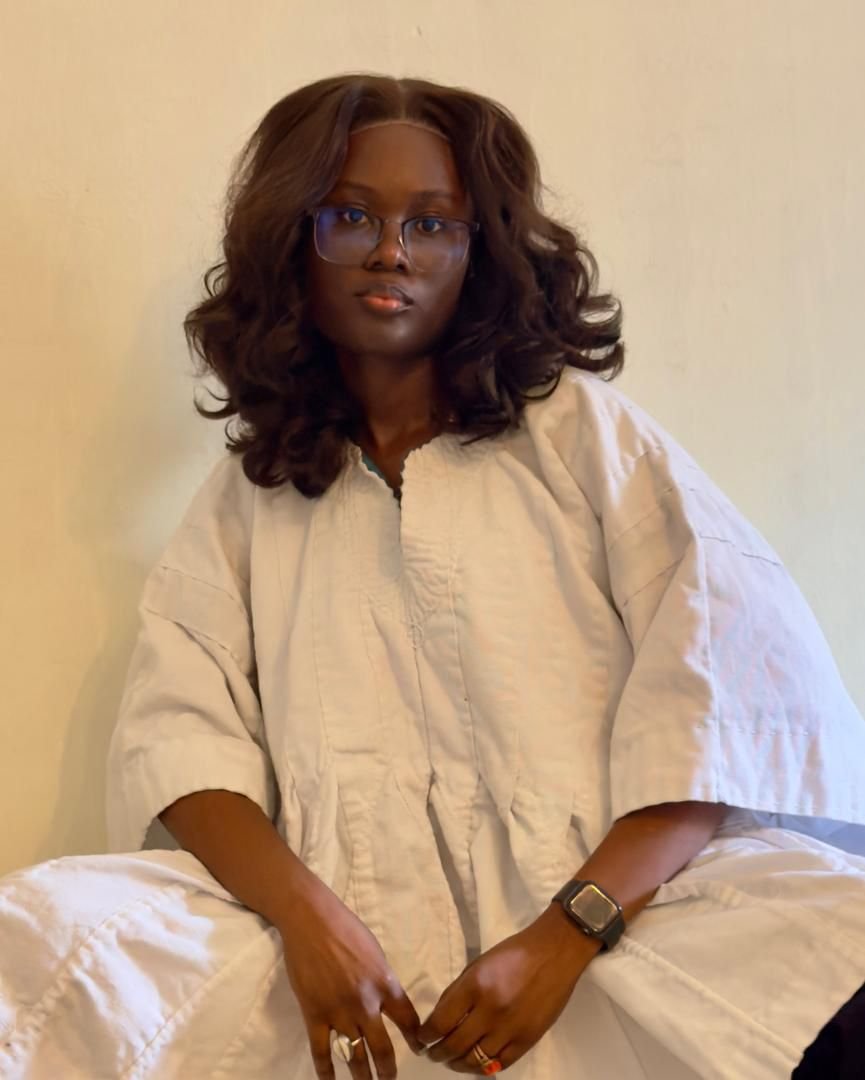
Vincenza Mazzeo
History & Gender Studies
Vincenza Mazzeo
Ph.D. Candidate in History, Johns Hopkins University & Postdoctoral Fellow, Wilson Centre — University of Toronto

A 2026–2027 Research Analyst and Postdoctoral Fellow at the Wilson Centre, Vincenza Mazzeo's dissertation draws on oral history and women's alternative media to examine gender, race, and freedom within liberationist struggles in late-twentieth-century South Africa. A 2026–2027 Research Analyst and Postdoctoral Fellow at the Wilson Centre, University Health Network, and the University of Toronto, Vincenza Mazzeo is also a Ph.D. candidate in History at Johns Hopkins University and a former Fellow at the Centre for Medical Humanities and Social Medicine. She holds an Honours B.A. from the University of Toronto and an M.A. from Carleton University. Her dissertation draws on oral history and women's alternative media to examine how ideas of gender, race, health, and freedom were articulated within liberationist struggles across South Africa in the late twentieth century. Her research interests include the histories of health and medicine, gender and sexuality studies, African history, and postcolonial studies.

Join Our Work

Interested in contributing your expertise or partnering with MHR? We'd love to hear from you.

Get In Touch